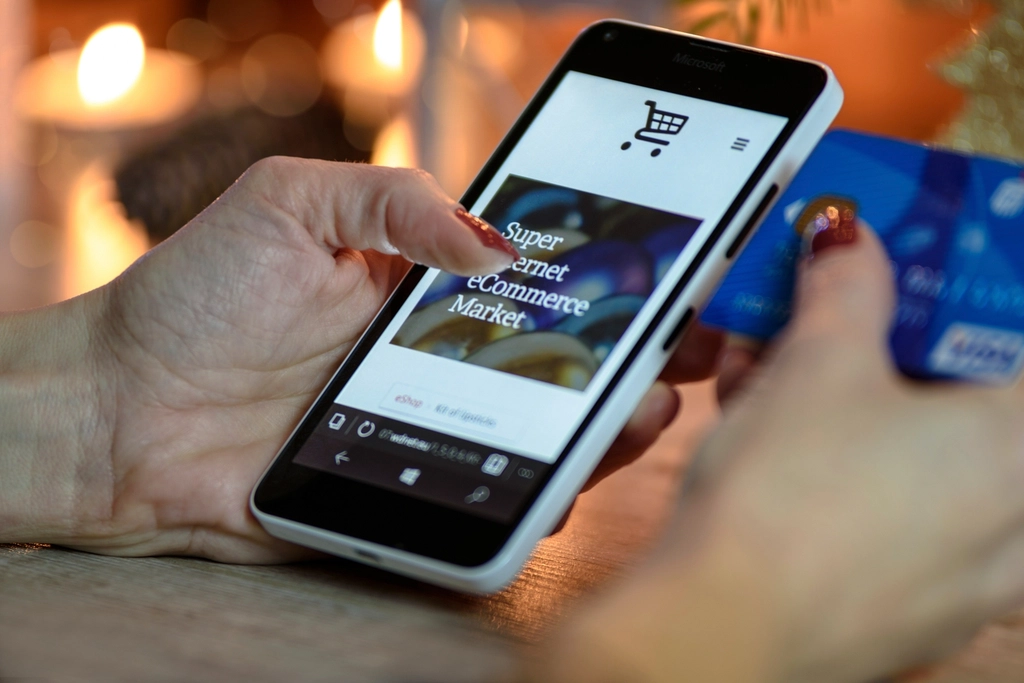
November is when Christmas shopping goes properly online, and it is also when shopping scams hit their yearly peak. Fake stores, dodgy ads, and “delivery” texts all spike right when everyone is busiest and least suspicious. A quick checklist to keep the silly season safe.
Before you buy: the fake store check
Australia loses millions every year to fake online shops, often advertised through Facebook and Instagram ads with prices just low enough to tempt. Before buying from a store you do not know:
- Search the store name plus “scam” or “review.” Thirty seconds that saves hundreds.
- Check the URL carefully. Fakes use lookalike domains: kathmandu-outlet-au.com is not Kathmandu.
- Look for real contact details and an ABN. A store with only a contact form and no phone, address, or ABN is a red flag.
- Be suspicious of prices that are 60-80% off branded goods. Big discounts on obscure sites are the classic bait.
- Check the payment methods. A store that only accepts bank transfer, crypto, or gift cards is a hard no. Credit card or PayPal gives you dispute options.
At checkout
- Use a credit card or PayPal where possible — chargeback rights are your safety net when goods never arrive.
- Never save card details on stores you will not use again.
- Skip public Wi-Fi for payments — if you must, your phone’s mobile data is safer than the shopping centre Wi-Fi.
- Screenshot the confirmation — order number, total, delivery estimate.
The delivery text scam (the most common one)
“Australia Post: your parcel could not be delivered, reschedule here” is the year’s most-imitated scam, and it works precisely because everyone genuinely is expecting parcels in December. The rule: never click delivery links in texts. AusPost, and every other courier, does not ask for payment or card details via SMS link. Track parcels through the retailer’s site or the courier’s official app, which you type in yourself.
Gift cards: for gifts only, never for payment
Gift cards are great presents and terrible payments. No legitimate business, government agency, or family member in trouble will ever ask to be paid in gift cards. Any request for payment by gift card is a scam, 100 percent of the time, no exceptions.
The quieter protection
- Turn on two-factor authentication for your shopping accounts (Amazon, eBay, PayPal)
- Use different passwords for shopping accounts — a store breach should not unlock your email
- Watch bank statements in January; fraudulent charges often surface weeks later
- Consider a low-limit card or a virtual card just for online shopping
If it goes wrong
Goods never arrived? Contact the store, then your card provider for a chargeback if they go silent. Card details compromised? Call your bank immediately; they deal with this constantly and would rather you call early than late. Report scams to Scamwatch so the next person gets warned.